
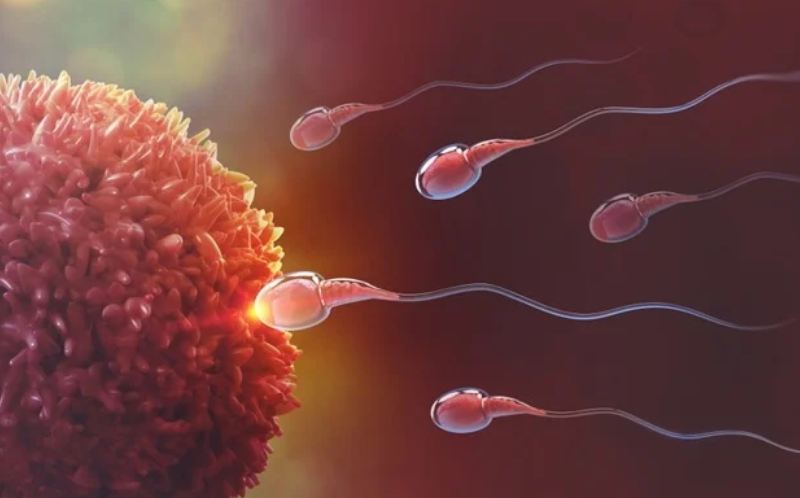
Lifestyle Factors Affecting Male Fertility

Lifestyle Factors Affecting Male Fertility

Male fertility is influenced by a wide range of lifestyle choices and daily habits. In Ayurveda, reproductive health (known as Shukra Dhatu) is deeply connected to overall physical, mental, and emotional well-being. Unhealthy lifestyle patterns can lead to a deterioration in Shukra Dhatu, thereby affecting sperm count, motility, morphology, and overall reproductive potential. Below are some of the most common lifestyle factors that can negatively impact male fertility:

1)

Smoking

  • Cigarette smoke contains harmful toxins such as nicotine, carbon monoxide, and heavy metals, which can damage the quality and quantity of sperm.
  • Smoking has been linked to reduced sperm motility and abnormal sperm shape (morphology).
  • According to Ayurveda, smoking aggravates Vata and Pitta doshas, leading to depletion of vital energies, including Shukra Dhatu.
2)

Excessive Alcohol Consumption

  • While occasional drinking may not pose serious harm, chronic or excessive alcohol intake can lead to hormonal imbalances, reduced testosterone levels, and impaired sperm production.
  • Alcohol also affects liver function, which plays a crucial role in regulating hormones that influence fertility.
  • From an Ayurvedic perspective, alcohol vitiates Rasa (plasma) and Rakta (blood), the foundational tissues needed to nourish Shukra Dhatu.
3)

Drug Use

  • The use of recreational drugs such as marijuana, anabolic steroids, and opioids has been shown to negatively impact male fertility.
  • These substances can reduce sperm production, damage sperm DNA, and disrupt the hormonal balance needed for healthy reproductive function.
  • Ayurveda views such substances as tamasic (dulling) and vikrutikaraka (disturbing to the body's natural balance), leading to impaired Shukra Dhatu formation.
4)

Obesity

  • Obesity is a growing concern in modern lifestyles and has a significant impact on fertility.
  • Excess body fat leads to increased estrogen levels and decreased testosterone, disrupting the hormonal equilibrium necessary for sperm production.
  • Ayurveda identifies obesity (Medoroga) as an imbalance of Kapha dosha and impaired Agni (digestive fire), both of which can obstruct the proper transformation of food into healthy reproductive tissue.
5)

Chronic Stress

  • Prolonged psychological stress can lead to the release of stress hormones such as cortisol, which suppress testosterone levels and interfere with sperm production.
  • Stress also contributes to mental fatigue, sleep disturbances, and emotional imbalances.
  • In Ayurveda, stress is a major factor in disturbing the balance of Vata dosha, which directly affects the nervous system and reproductive health.
6)

Poor Diet

  • A diet lacking essential nutrients such as zinc, selenium, antioxidants, and healthy fats can impair sperm quality and overall reproductive health.
  • Highly processed foods, excessive sugar, and junk food contribute to oxidative stress and inflammation, which damage sperm cells.
  • Ayurveda emphasizes Ahara (diet) as one of the three pillars of life (Traya Upastambha), and a nourishing, Sattvic diet is essential for healthy Shukra Dhatu.

We offer holistic assessments and personalized treatment plans that include:

  • Herbal formulations to rejuvenate Shukra Dhatu
  • Diet and lifestyle counseling to promote optimal fertility
  • Detoxification therapies (Panchakarma) to remove toxins
  • Stress management through yoga, meditation, and pranayama

Addressing lifestyle factors is a crucial first step in restoring balance and improving male fertility naturally. Let Ayurveda guide you on the path to holistic reproductive wellness.